
What Are the Symptoms of Vein Stress from Standing All Day?
Vein symptoms from standing can build slowly. That makes them easy to dismiss as normal tiredness. Watch for these signs:- Legs that feel heavy or achy by the end of a shift
- Swelling in the ankles or lower legs, worse in the heat
- Visible varicose veins that bulge or feel tender
- Spider veins showing up on the calves or thighs
- Restless legs or cramping at night after a long day on your feet
- Skin color changes or itching near the ankles
- A throbbing feeling in your legs that gets worse as the day goes on
Why Do Summer Jobs Put Extra Strain on Your Veins?
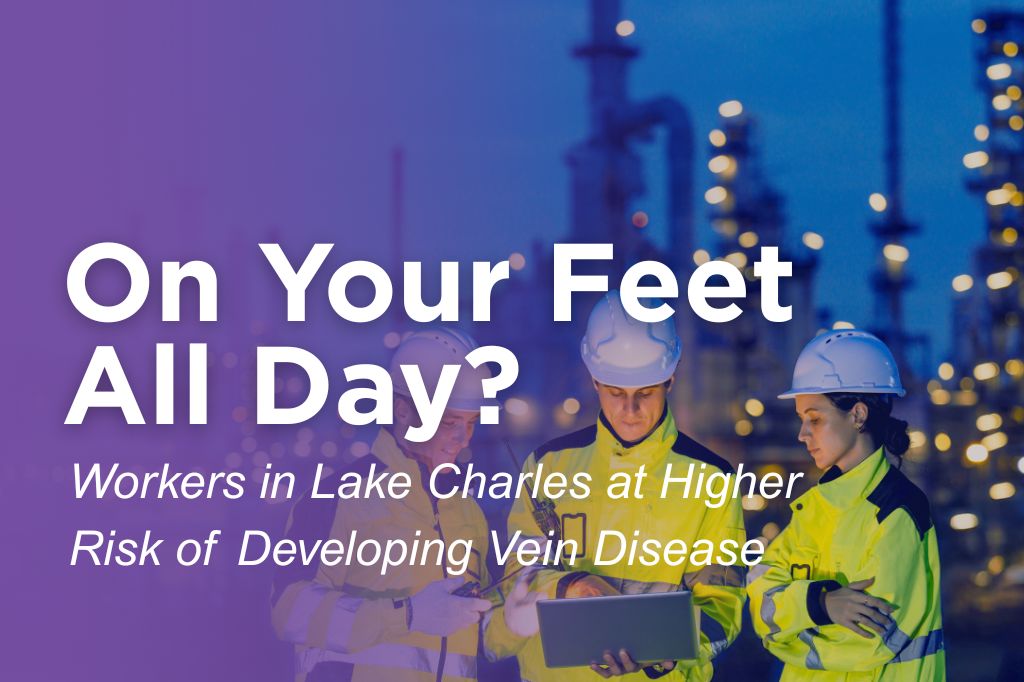
Summer heat causes blood vessels to widen. This means your leg veins must push more blood back up toward the heart. When vein valves are already weak, this added pressure makes symptoms worse. The Society for Vascular Surgery notes that standing for long periods raises venous pressure in the lower legs. Over time, this leads to varicose veins and chronic venous insufficiency. In Lake Charles, summer temps often top ninety degrees with high humidity. Workers who stand on hard surfaces all day — dealing cards in a casino, checking equipment at a plant, or serving tables — face a double challenge. The heat widens their veins while gravity works against blood flow. More than thirty million Americans have venous reflux disease, and many do not know it. Up to forty percent of adults get varicose veins at some point. If your job requires standing for long periods, you may be at higher risk.Which Occupations Are Most Affected?
Certain jobs in the Lake Charles area place major demands on leg veins: Casino and hospitality workers stand or walk on hard floors all shift. Dealers, servers, bartenders, and security staff often work eight to twelve-hour shifts with few chances to sit or raise their legs. Plant workers in the Lake Charles industrial corridor often stand for long stretches while running processes or doing upkeep in the heat. Heat exposure adds to the painful effects of standing all day. Nurses, medical assistants, and home health aides stay on their feet throughout their shifts. Erratic schedules make it hard to take regular breaks. Teachers and school staff spend hours standing in classrooms and walking hallways. As the school year nears in late summer, the switch from a relaxed schedule to long days on your feet can trigger or worsen vein symptoms. Restaurant and retail workers stand on hard surfaces for long shifts, often carrying heavy loads or moving fast between tasks. Construction and outdoor laborers face physical exertion, heat, and prolonged standing — all of which stress the venous system.How Can You Relieve Leg Pain from Standing All Day?
Professional vein treatments address the root cause of venous reflux. But there are simple steps you can take during and after work to manage symptoms: Raise your legs above heart level for fifteen to thirty minutes when you get home. This helps blood drain from the lower legs and reduces painful swelling. Wear compression stockings during your shift. They improve circulation and can reduce the heaviness and aching that come with standing all day. Your vein specialist can suggest the right level for you. Move often during your shift. Even brief calf raises, ankle circles, or short walks help activate the calf muscle pump that pushes blood back toward the heart. Stay hydrated, especially in the Louisiana summer heat. When you are dehydrated, blood thickens and veins struggle to move it well. Do not cross your legs or stand in one spot too long. Shift your weight, sit when you can, and flex your feet to keep blood moving.When Should You See a Vein Specialist in Lake Charles?
If your leg symptoms persist despite home care, or if they keep getting worse, it may be time for a professional look. Think about scheduling a visit if you notice:- Daily leg heaviness or pain that gets in the way of work
- Swelling that does not fully go away with rest
- Varicose veins that ache or throb
- Skin changes near the ankles, such as darkening or hardening
- Leg cramps that wake you up at night
- Symptoms that have gotten worse over months or years
What Vein Treatment Options Are Available in Lake Charles?
The Vein Guys offer several minimally invasive treatments at their Lake Charles location on Bayou Pines. All procedures are done by board-certified physicians in the office, with minimal downtime and a quick return to normal life. Venefit™ uses radiofrequency energy to close diseased veins and send blood flow to healthier veins. The procedure takes about fifteen minutes and is done in-office. VenaSeal™ is the only non-thermal, non-tumescent (meaning no large-volume anesthetic injection is needed) vein closure system approved in the United States. It uses medical adhesive to seal affected veins with few needle sticks and no need for anesthesia. Sclerotherapy treats spider veins and smaller varicose veins by injecting a solution that causes the vein to collapse and fade over four to six weeks. Your care team will build a treatment plan based on your ultrasound results and your condition. Many patients return to work the same day or the next day.Why Choose The Vein Guys in Lake Charles?
The Vein Guys have performed over forty thousand successful procedures across their locations in Georgia, Tennessee, and Louisiana. Their Lake Charles office serves patients throughout Southwest Louisiana, including Sulphur, Westlake, Moss Bluff, and nearby areas. Every ultrasound is done by Certified Registered Vascular Technologists, and every procedure is done by experienced, board-certified physicians. The team checks your insurance benefits before treatment so you know what to expect. With over twenty years treating vein conditions, The Vein Guys provide personalized, patient-centered care.Can Vein Pain from Standing All Day Go Away on Its Own?
Vein pain from standing may ease with rest and elevation. But if venous reflux is the cause, the condition tends to get worse over time without treatment. A vein evaluation can show whether professional care could help.
How Do I Know If My Leg Pain Is from Veins or Something Else?
Vein-related leg pain often shows up as heaviness, aching, or throbbing that gets worse with standing and better with elevation. A venous ultrasound is the standard test to check for reflux. Your doctor can help tell vein symptoms apart from other causes of leg pain.
Does Insurance Cover Vein Treatment for Work-Related Symptoms?
Most insurance plans cover vein treatments when they are deemed medically needed. Coverage often requires notes on your symptoms and a period of conservative care, such as wearing compression stockings. The Vein Guys check your insurance benefits before treatment begins.
When Should I Worry About Varicose Veins?
Varicose veins that cause daily pain, swelling, or skin changes should be checked by a vein specialist. They are very common and treatable. But leaving them alone can lead to skin ulcers and, in rare cases, blood clots.
